
What Are Private Label Hair Extensions?
Private label hair extensions are high-quality hair products manufactured by a factory but sold under your own brand name, logo, and packaging. Unlike dropshipping, where you sell someone else's branded products, private labeling allows you to create a unique brand identity with custom packaging, your own color naming system, and complete control over pricing and marketing.
The private label hair extension model has become increasingly popular among salon owners, beauty entrepreneurs, and established haircare brands looking to expand their product lines. The global hair extension market is projected to reach $2.394 billion by 2031, and private labeling offers a path to capture a share of this growing market without the enormous investment required to build a manufacturing facility from scratch.
For salon owners, private labeling offers a unique advantage: you can sell your own branded extensions directly to clients, eliminating the need to explain why you are using someone else's branded products. This creates a seamless professional experience where every product in your salon carries your name and reputation.
The key to successful private labeling is choosing the right manufacturing partner. You need a factory that can consistently deliver high-quality hair, offer flexible customization options, and provide reliable communication throughout the process. We have written extensively about how to choose a reliable wholesale supplier for those who are just starting their research.
Common Private Label Products
The private label hair extension market encompasses a wide range of products, giving brand owners the flexibility to specialize in specific niches or offer a comprehensive product line. The most common private label hair extension products include:
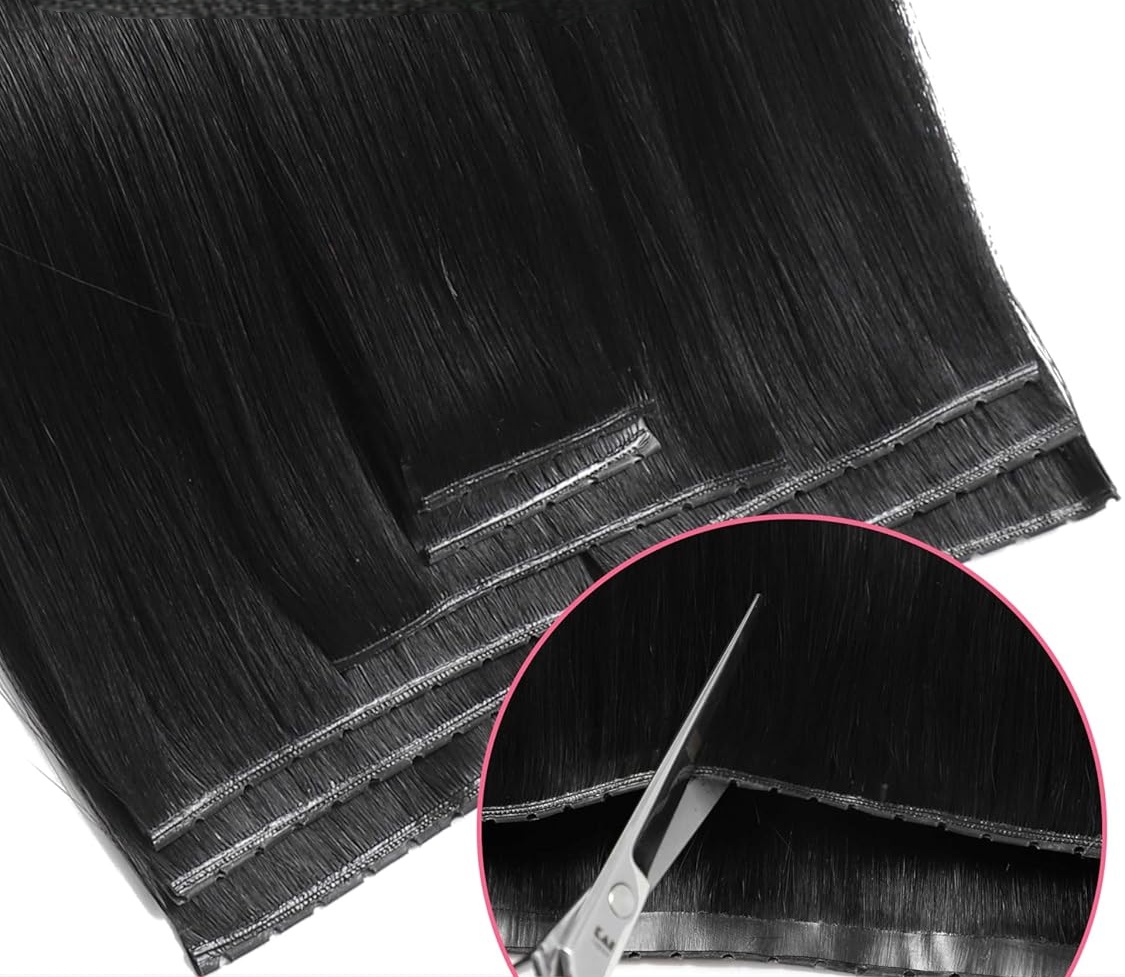
- Tape-in hair extensions: Pre-taped wefts that are sandwiched between sections of natural hair. These are popular for their quick application time (30-45 minutes) and natural look. Tape-ins typically last 6-8 weeks and are the most popular extension type in the US market.
- Clip-in hair extensions: Temporary extensions with pressure-sensitive clips that clients can apply and remove themselves. These are ideal for special occasions, volume enhancement, and clients who want flexibility without a long-term commitment.
- Sew-in weft extensions: Also known as braided sew-ins, these extensions are sewn onto braided natural hair using a needle and thread. They are the most durable semi-permanent option, lasting 6-12 weeks, and are popular among clients with thicker hair textures.
- I-tip and U-tip extensions: Individual strands with pre-bonded keratin or polyurethane tips. I-tip extensions are applied using microbeads or rings, while U-tip extensions use heat fusion. Both offer a natural look and are ideal for adding length and volume to specific areas.
- Wigs and hairpieces: Full lace wigs, lace front wigs, and toupees that provide complete hair coverage. These are popular in the medical hair loss market, fashion industry, and among clients seeking dramatic transformations.
- Ponytail extensions and feather extensions: Specialty items that cater to specific fashion trends and niche markets. These products can help differentiate your brand from competitors.
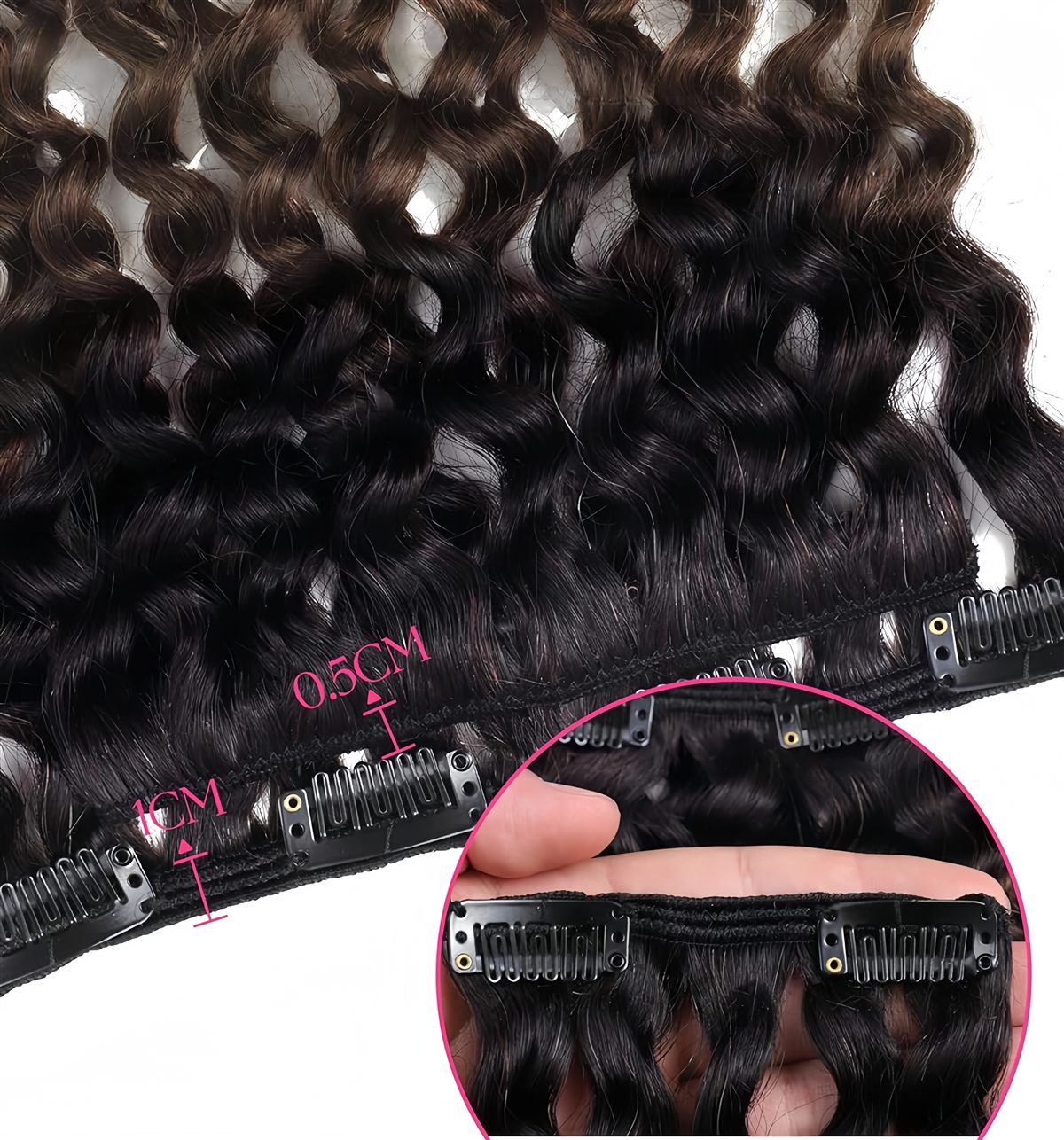
Understanding the full range of hair extension types available for your market is essential before committing to a private label partnership. We have a detailed guide on how to choose the right hair extension type for your market that covers the pros and cons of each option.
The Benefits of Private Label Hair Extensions
Higher Profit Margins
Private labeling significantly increases your profit margins compared to reselling established brands. When you resell a third-party brand, you are competing on price with every other retailer selling the same product. Customers can easily compare prices across different websites, and the lowest price often wins. With private label products, you set your own prices based on your brand positioning, and there is no direct price comparison because your product is unique to your brand.
Full Control Over Quality and Sourcing
When you private label, you have complete control over the quality of your products. You can specify exact hair grades, origin, and processing methods, ensuring that your extensions meet your standards. This level of control is impossible with third-party brands, where you accept whatever quality the brand provides. Learn more about how we ensure consistent quality in our manufacturing process.
Brand Building and Customer Loyalty
Private label products build your brand rather than someone else's. Every time a client uses your extensions and receives a compliment, they are promoting your brand, not a generic manufacturer. Over time, this builds brand recognition, customer loyalty, and a reputation that can sustain your business through market changes. For insights into the latest market directions, check out our analysis of trends in bulk hair extensions for salons .
Scalability
Private labeling allows you to start small and scale up. Many of our clients begin with a minimum order quantity of 50-100 pieces and gradually expand their product line as their brand grows. The flexible hair extension MOQ structure at reputable factories makes it possible to test different products and styles before committing to large volumes.
How to Start Your Own Private Label Hair Extension Brand
Step 1: Define Your Brand and Target Market
Before contacting any manufacturer, define your brand identity, target market, and product positioning. Are you targeting high-end salons, budget-conscious consumers, or a specific demographic like bridal hair or ethnic hair markets? Your brand identity will inform every decision from product selection to packaging design.
Step 2: Research and Select a Manufacturer
This is the most critical step in the private label process. Look for manufacturers with proven experience in private labeling, a track record of consistent quality, and transparent communication. Request samples from multiple manufacturers and compare them side by side on hair quality, construction, and overall presentation. We have a comprehensive guide on what to send when requesting a hair extension quote that covers everything you need to include in your initial inquiry.
Step 3: Negotiate Pricing and MOQ Requirements
Private label pricing structures vary significantly between manufacturers. Key factors that affect pricing include hair origin, hair grade, processing method, order volume, and customization requirements. Be prepared to negotiate on minimum order quantities and pricing tiers. Why more salons are switching to factory-direct suppliers is a trend driven by the significant cost advantages of cutting out middlemen.
Step 4: Design Your Branding and Packaging
Work with a graphic designer to create your brand logo, color scheme, and packaging design. Your packaging should reflect your brand identity and appeal to your target market. Consider elements like the box material, insert cards, hair nets, and care instruction booklets. A professional packaging presentation can justify higher price points and build trust with first-time customers.
Step 5: Order Samples and Test Quality
Before placing a bulk order, request production samples that match your exact specifications. Test these samples on real clients, wash them multiple times, style them with heat tools, and evaluate how they hold up over time. This testing phase is critical for catching quality issues before they reach your customers. For a complete pre-order verification protocol, see our guide on how to test hair extension quality .
Step 6: Launch Your Brand
Once you have confirmed product quality and received your initial inventory, it is time to launch. Set up your e-commerce store, create marketing materials, and start promoting your brand through social media, salon partnerships, and influencer collaborations.
What to Look for in a Private Label Partner
Now that you understand the step-by-step launch process, let's take a closer look at the specific criteria you should use when evaluating a private label partner.
Hair Quality and Consistency
The most important factor is consistent hair quality. Your manufacturer should be able to deliver the same quality batch after batch, order after order. Inconsistency is the fastest way to lose customer trust and damage your brand reputation.
Customization Options
A good private label partner offers flexibility in customization. This includes custom packaging, color naming, hair length and texture options, and the ability to mix and match products within an order. The more customization options available, the more you can differentiate your brand.
Quality Control Processes
Ask about the manufacturer's quality control processes. Consistently high-quality products require rigorous quality control, including raw material inspection, in-process checks, and final product testing. Leading manufacturers conduct a multi-step inspection process before shipment to catch any issues before they reach customers. Understanding common problems salons face when buying hair extensions helps you identify what quality control measures are truly essential.
Communication and Support
Private labeling is a partnership, and communication is essential. Your manufacturer should be responsive, transparent, and proactive in communicating about production timelines, potential issues, and new product opportunities. Language barriers and time zone differences can be challenging, so look for a manufacturer with dedicated English-speaking account managers.
Production Capacity and Lead Times
Ensure your manufacturer can handle your current order volume and has the capacity to scale as your brand grows. Ask about typical lead times for production and shipping, and plan your inventory accordingly to avoid stockouts.
Common Private Label Mistakes to Avoid
Choosing Price Over Quality
The most common mistake new private label brands make is choosing the cheapest manufacturer to maximize margins. Low-quality hair leads to customer complaints, returns, and negative reviews, which ultimately cost more than the savings on initial product cost. Quality hair extensions are an investment in your brand's long-term reputation. Before placing any order, learn how to test hair extension quality to ensure your products meet professional standards.
Skipping the Sample Phase
Some entrepreneurs skip the sample phase to save time and money, only to discover quality issues after receiving a bulk order. Always order samples and test them thoroughly before committing to production quantities.
Inadequate Brand Differentiation
Creating a generic brand with no unique identity makes it difficult to stand out in a crowded market. Invest time in developing a compelling brand story, distinct visual identity, and unique value proposition that resonates with your target audience.
Poor Inventory Management
Running out of stock during peak demand periods or over-ordering products that do not sell well are common inventory management mistakes. Start with a conservative initial order, track sales data carefully, and adjust your ordering patterns based on actual demand.
Ignoring Legal and Regulatory Requirements
Depending on your market, hair extension products may be subject to labeling requirements, safety standards, and import regulations. Research the legal requirements in your target market and ensure your products and packaging comply with all applicable regulations.
Frequently Asked Questions
What is the minimum order quantity for private label hair extensions?
Minimum order quantities (MOQs) for private label hair extensions vary significantly between manufacturers. Many factories offer flexible MOQs starting from 50 to 100 pieces per style, with some accommodating even smaller initial orders for new brands. The MOQ often depends on the level of customization required — standard packaging with your logo may have a lower MOQ than fully custom packaging with unique designs and materials. When evaluating manufacturers, ask about their MOQ flexibility and whether they can accommodate phased order increases as your brand grows. This approach allows you to start with a manageable investment and scale your inventory based on actual market demand.
How long does the private label process take from start to finish?
A typical private label hair extension project takes 4 to 8 weeks from initial consultation to delivery, depending on the complexity of customization and the manufacturer's production schedule. The timeline breaks down as follows: brand consultation and product selection (1 week), packaging design and approval (1 to 2 weeks), sample production and testing (1 to 2 weeks), and bulk production with shipping (2 to 3 weeks). Rush orders may be available at an additional cost, but it is always better to plan ahead and allow ample time for quality control and unforeseen delays. Working with a manufacturer that has dedicated account management can significantly streamline the timeline.
Can I customize the packaging design for my private label brand?
Yes, packaging customization is one of the primary benefits of private labeling. Most reputable manufacturers offer a range of customization options including custom box design with your logo and brand colors, insert cards with care instructions, branded hair nets and packaging materials, and custom labeling with your color naming system. Some manufacturers also provide graphic design support or can work with your existing designer to ensure your packaging meets production specifications. The level of customization available will depend on the manufacturer's capabilities and your order volume, so discuss your specific requirements during the initial consultation.
What is the difference between private label and white label hair extensions?
Private label and white label are often confused, but they represent different business models. With private label, you work directly with a manufacturer to create a product under your own brand, with custom packaging, specifications, and full control over quality and pricing. White label products are generic, pre-manufactured products that multiple retailers can sell under their own brand names with minimal customization — typically just a logo on existing packaging. Private label offers greater differentiation, quality control, and brand building potential, while white label provides a faster, lower-cost entry point with less uniqueness. For salon owners and entrepreneurs looking to build a long-term brand, private label is generally the better investment.
How do I ensure consistent quality across my private label orders?
Consistent quality requires a proactive approach to quality management. Start by selecting a manufacturer with a documented quality control process that includes raw material inspection, in-process checks, and final product testing. Request detailed product specifications in writing before production begins, and insist on receiving production samples from each batch before bulk shipment. Conduct your own testing on sample batches — wash, style, and wear the extensions to verify they meet your standards. Build a relationship with your manufacturer's quality control team and schedule regular check-ins. For large or recurring orders, consider hiring a third-party inspection service to verify quality before shipment. This multi-layered approach minimizes the risk of receiving inconsistent products and protects your brand reputation.
Conclusion
Private label hair extensions offer a powerful opportunity to build a profitable brand in the growing hair extension market. The key to success is choosing the right manufacturing partner, maintaining consistent quality, and building a brand that resonates with your target audience.
At Miran Hair, we specialize in private label manufacturing for salon owners, beauty entrepreneurs, and established brands. Our factory-direct pricing, consistent quality control, and flexible customization options make us the ideal partner for your private label journey. Whether you are launching your first product or expanding an existing line, we can help you bring your vision to life.
Ready to launch your own hair extension brand? Contact our team today for a free consultation and sample quote. Explore our guide on how to choose a reliable wholesale supplier and learn how to test hair extension quality before making your first purchase.